
What Is Chauffeur Etiquette? The Unwritten Rules
Chauffeur etiquette is the unwritten code of seamless assistance. Reserve your chauffeur today.
Chauffeur etiquette is the set of unwritten professional standards that guide how a chauffeur greets, assists, converses with, and protects the privacy of passengers. It covers silence versus conversation cues, door and luggage service, discretion, appearance, and situational awareness, especially at private aviation FBOs, so the ride feels seamless rather than merely polite.
Politeness is the floor. Etiquette is the craft.
Anyone can hold a door open and say “have a good evening.” A professional chauffeur practices a quieter discipline: reading the passenger, anticipating needs without hovering, and treating the cabin as a private room. Those habits are rarely written into a job description. They are learned, observed, and refined, often in the same environments where private aviation passengers expect the ground leg to match the standard of the flight.
(For the role itself, what separates a professional chauffeur from a standard driver, see What Makes a Professional Chauffeur Different From Standard Drivers. This piece stays on the manners and unwritten rules.)
A polite driver is friendly. A chauffeur is calibrated.
Politeness is universal: please, thank you, a smile. Etiquette is situational. It asks whether this passenger wants quiet after a long flight, whether the umbrella belongs over their head or stays in the trunk, whether luggage goes planeside or to the FBO lobby first, and whether small talk would help or interrupt a call already in progress.
That distinction matters most in luxury and private-aviation ground transport, where the passenger may be finishing a deal, traveling with family, or moving between aircraft and city under time pressure. The chauffeur’s job is not to fill the silence. It is to make the silence useful, or to engage warmly when the passenger clearly invites it.
What Are the Unwritten Rules of Chauffeur Etiquette?
Silence Is the Default. Conversation Is Earned
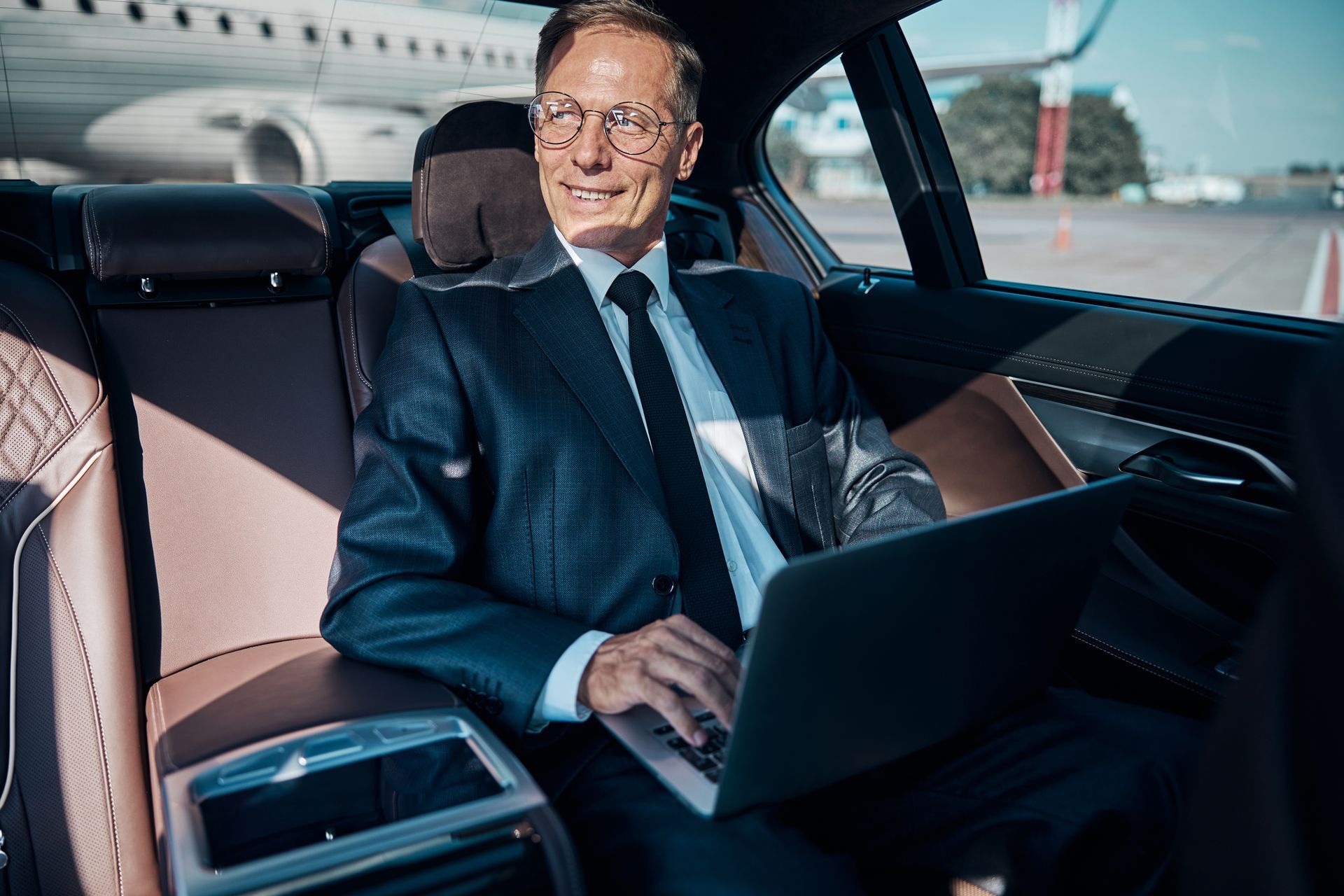
Unless the passenger initiates, attentive silence is the professional baseline. The chauffeur does not fill the ride with unsolicited opinions, personal stories, or questions about work, wealth, or itinerary details. If the passenger is on a call, reviewing documents, or simply looking out the window, the radio stays low or off, and interruptions wait.
When conversation does begin, topics stay neutral and passenger-led. The skill is not talking well. It is knowing when not to talk at all.
Doors, Umbrellas, and the Rhythm of Assistance
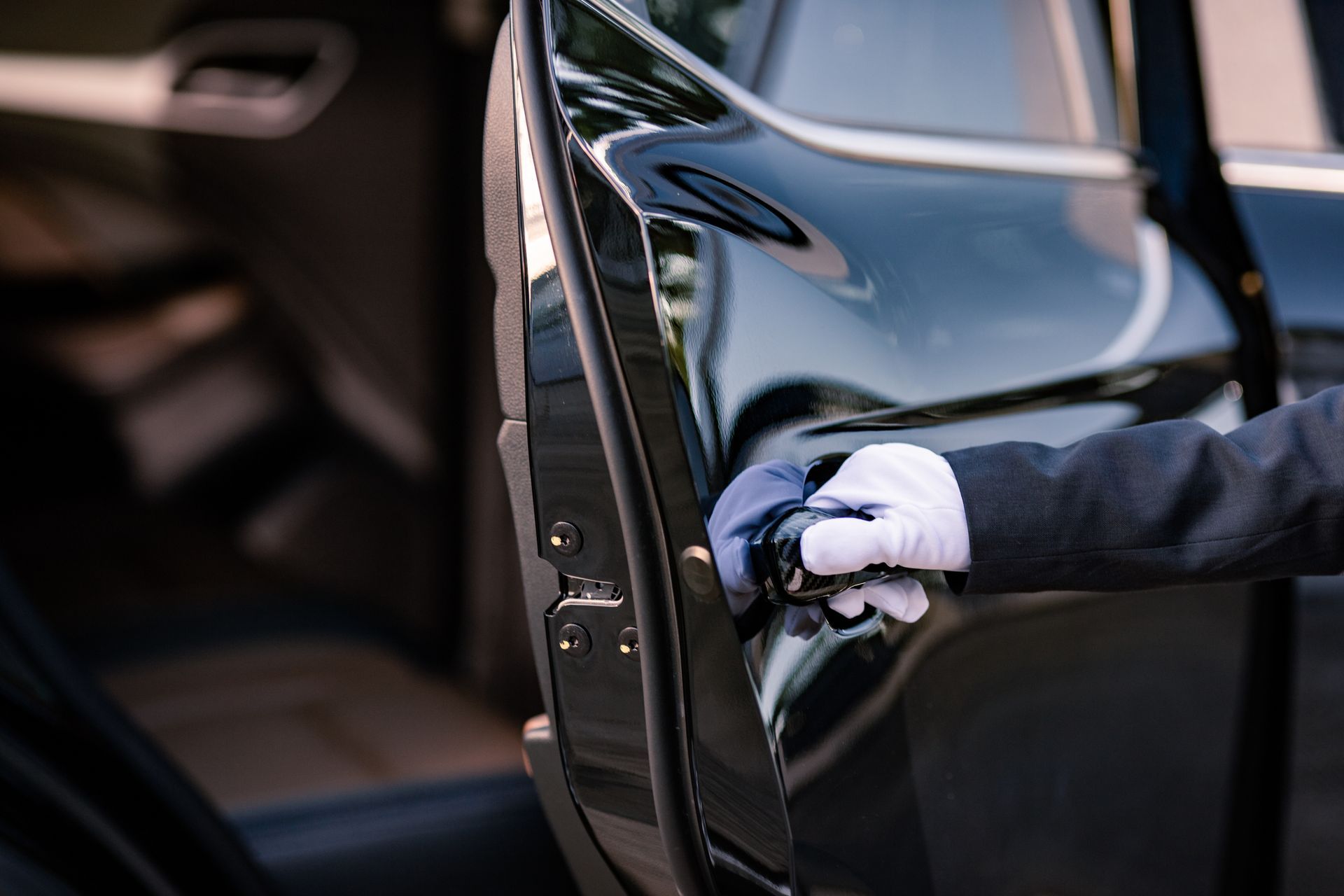
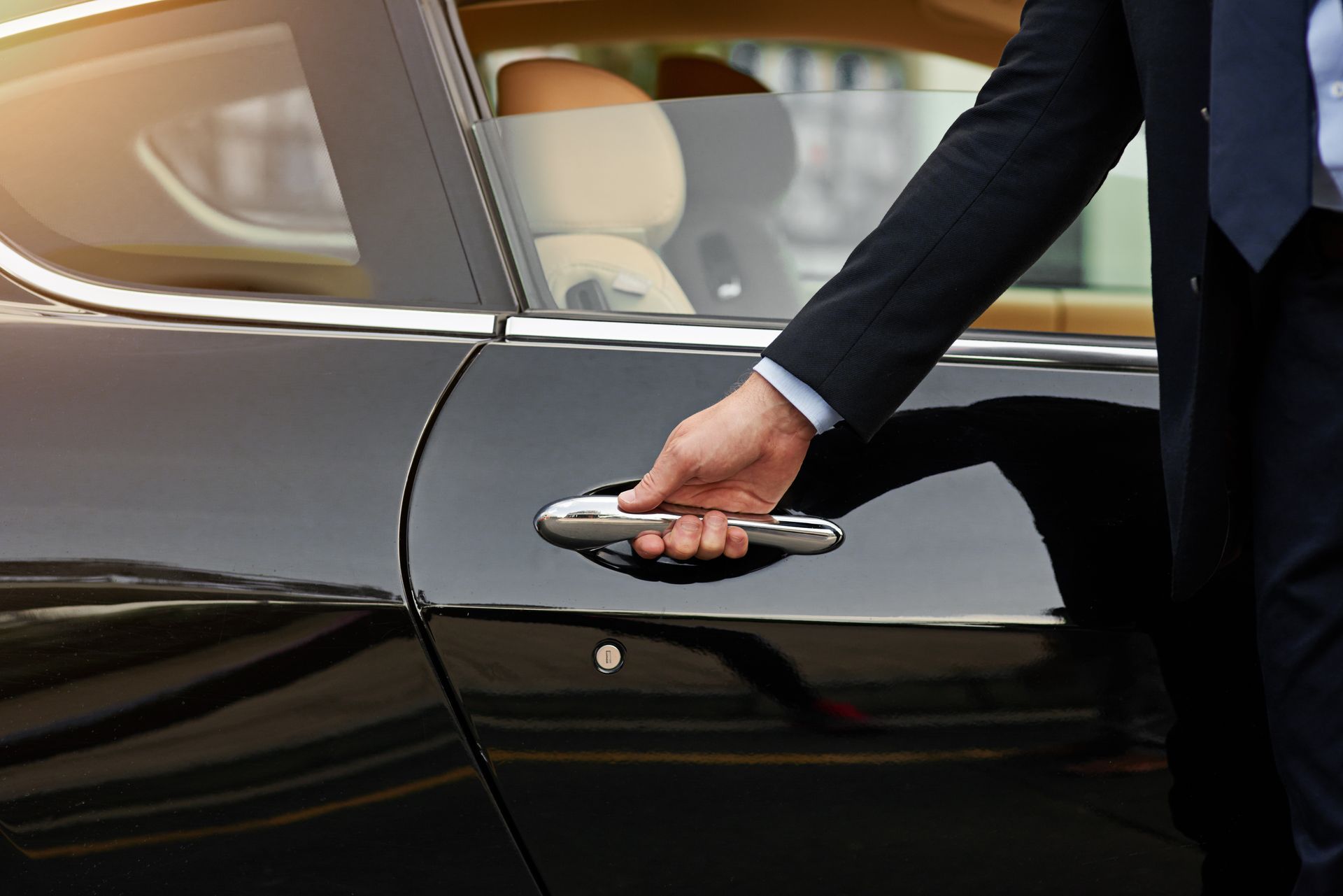
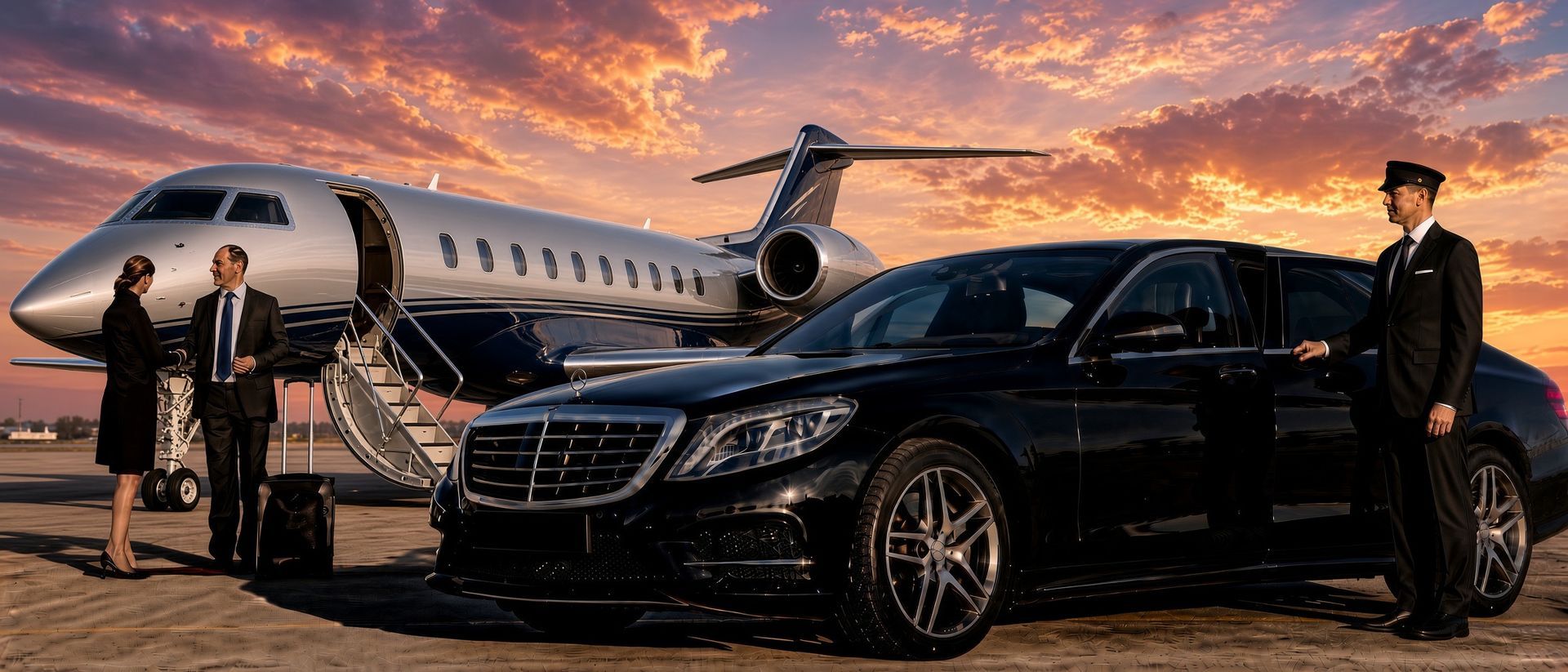
Door service is standard, not optional: the chauffeur exits first, opens the passenger door, and assists entry and exit without rushing or slamming. In rain, the umbrella covers the passenger first; the chauffeur gets wet. Assistance is offered as a quiet sequence (greet, door, luggage, confirm destination), then step back. Help without hovering. Presence without performance.
Luggage Handling Without the Theater
Passengers should not have to lift their own bags. The chauffeur loads and retrieves luggage carefully, confirms which pieces belong to whom when needed, and places bags where they are useful (hotel curb, terminal entrance, FBO door, or planeside) according to the itinerary, not according to what looks impressive. Efficiency beats flourish.
Discretion and Confidentiality Are Non-Negotiable
Whatever is said, seen, or overheard in the vehicle stays there. No repeating names, destinations, meeting topics, or passenger identities. No photos. No social media. No casual “I drove so-and-so last week.” For executives, families, and public figures, discretion is not a perk; it is the product.
Phone and Device Use Belongs Offstage
Personal phone use is out of sight and out of earshot while passengers are present. Navigation and dispatch communication stay brief and professional. The cabin is not a place for the chauffeur’s notifications, speakerphone chats, or scrolling at a red light.
Appearance Signals the Standard Before the Car Moves
A polished, understated appearance (clean uniform or suit, neat grooming, well-maintained vehicle) communicates reliability before a word is spoken. The look should support the service, not compete with it. Flashy branding or casual dress undermines the quiet confidence passengers expect.
Waiting, FBO Context, and Planeside Awareness
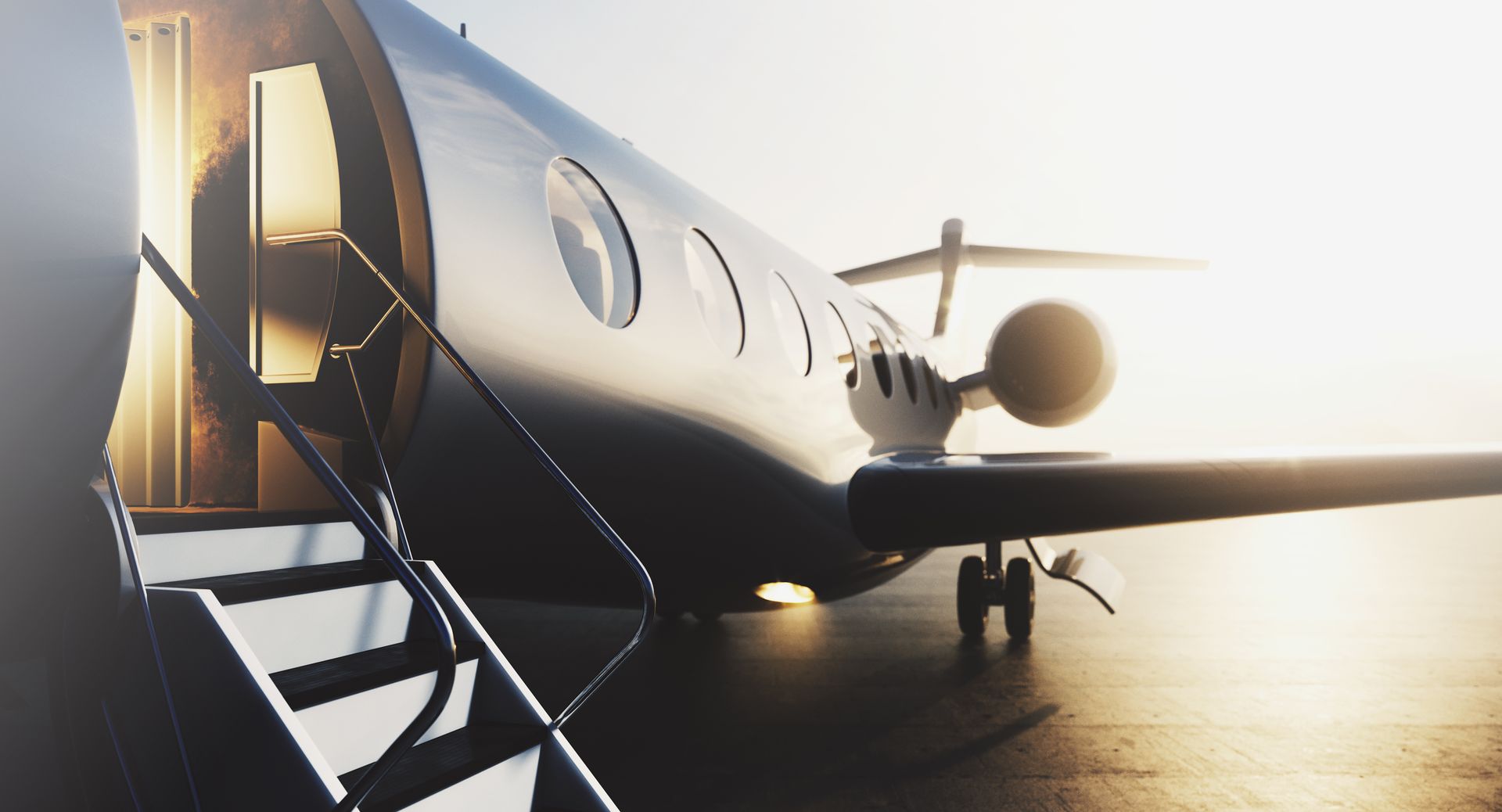
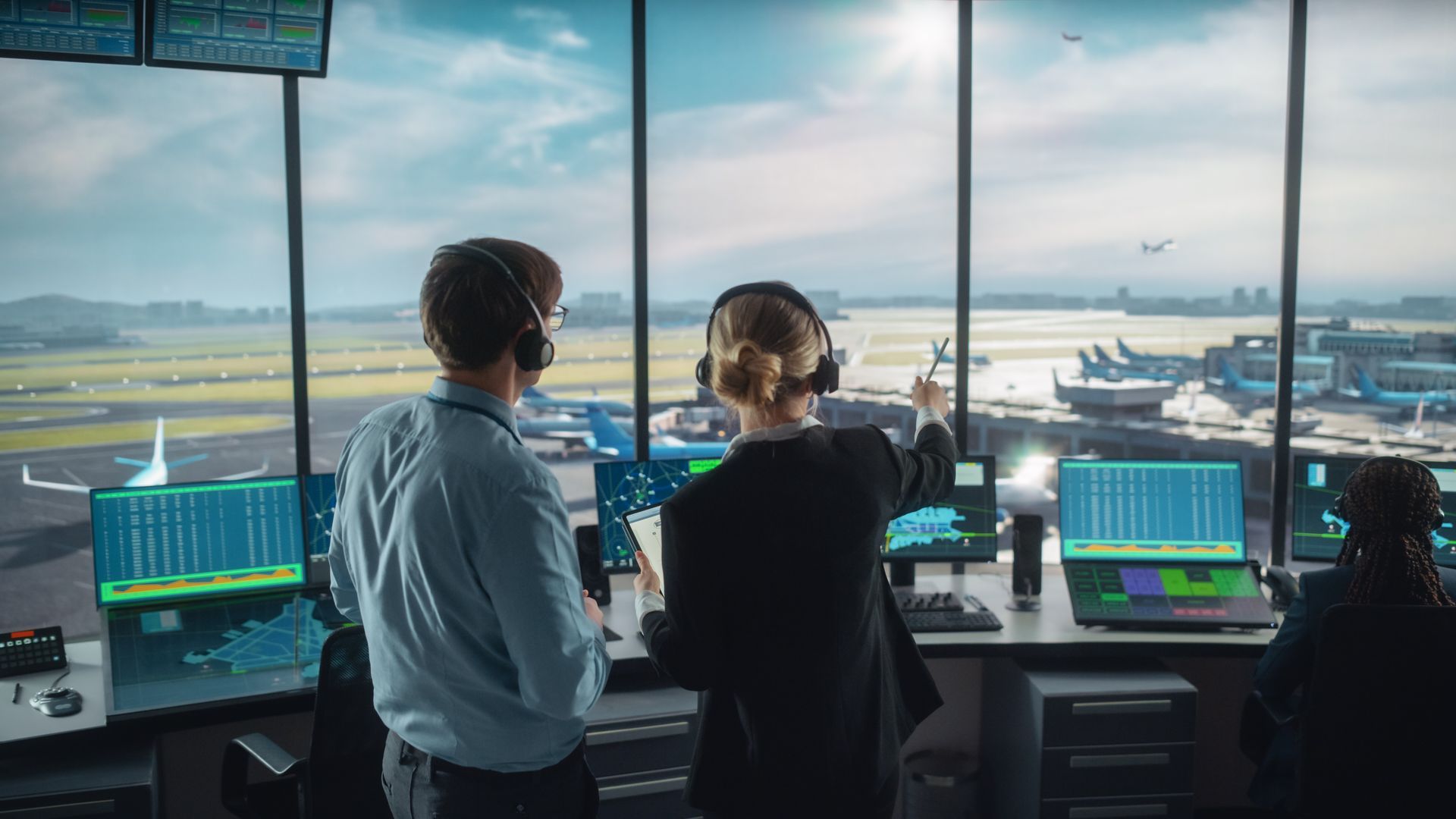
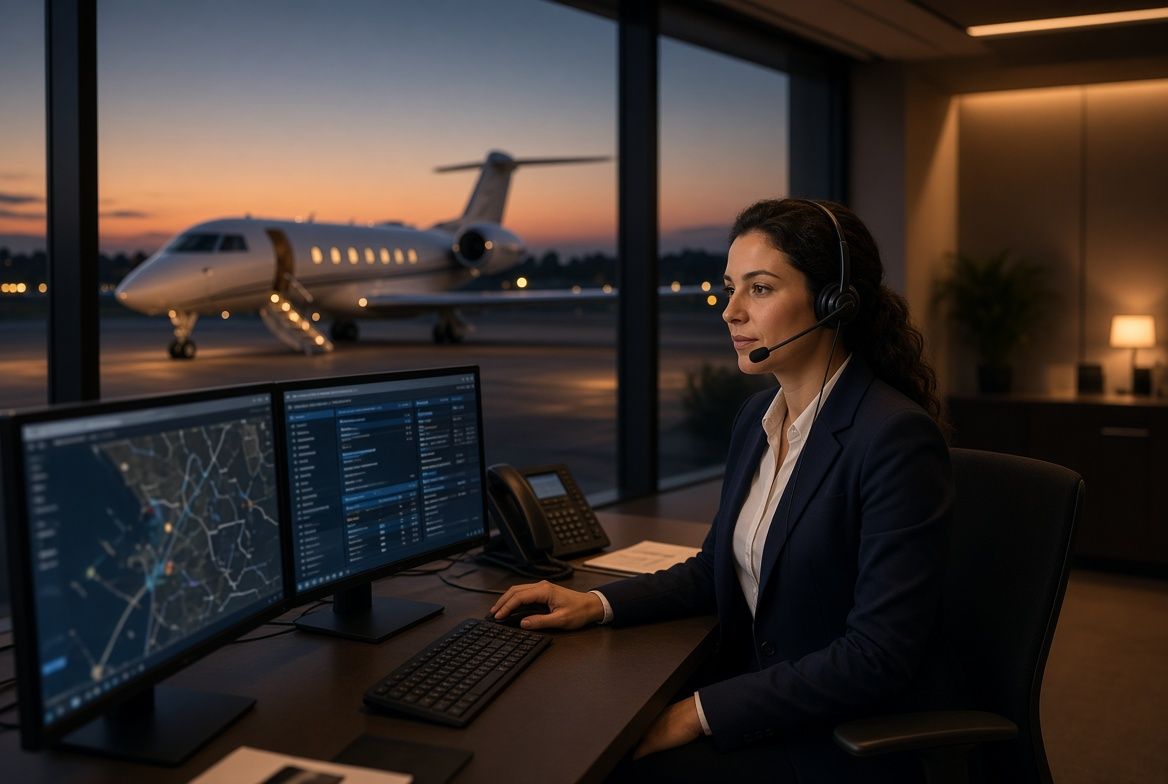
Private aviation adds layers polite roadside pickup never requires. At an FBO, the chauffeur coordinates with dispatch and crew, monitors flight movement, and understands the difference between lobby greeting and planeside recovery. Staging should be correct for the facility’s rules and the day’s weather, security, and ramp conditions. The passenger should not have to manage logistics after wheels-down.
Planeside awareness means knowing when to be visible and when to stay clear of crew operations. Lobby awareness means recognizing the principal quickly without making a scene. Both are etiquette expressed as operational judgment, especially at busy hubs like Teterboro, Opa-Locka, and Dallas Love Field.
Reading the Passenger
The best chauffeurs adjust in real time. A tired traveler after an overnight flight may want minimal interaction. A couple heading to dinner may welcome light conversation. A flight-department passenger may need only confirmation of the next stop and a smooth, safe drive. Etiquette is not a script. It is continuous attention to cues: tone of voice, eye contact, whether bags are clutched or released, whether headphones go on.
Why Does Chauffeur Etiquette Matter in Private Aviation?
On a commercial curb, a late greeting is annoying. At a busy FBO, missed cues cascade: the principal becomes the dispatcher, the crew waits, the schedule compresses. Etiquette and operational discipline travel together. Punctuality, smooth driving, and clear communication with the desk are part of the same professional manners as opening a door the right way, which is why private aviation ground transportation has to feel as intentional as the flight itself.
Unique II Worldwide holds chauffeurs to that dual standard of craft and aviation awareness. For Part 91 teams, that same expectation sits behind trusted partner programs such as CAA.
FAQ: Chauffeur Etiquette
Should a chauffeur always start a conversation?
No. Silence is the default. The passenger sets the tone; the chauffeur follows it.
Is door service still expected?
Yes. Opening and closing doors, assisting with entry and exit, and handling luggage are core etiquette, not extras.
What counts as a confidentiality breach?
Repeating anything heard or observed in the vehicle, sharing passenger names or itineraries, photographing guests, or discussing clients with anyone outside the service chain.
How should a chauffeur behave at an FBO?
Coordinate with dispatch and crew, stage correctly for lobby or planeside instructions, stay clear of ramp operations unless directed, and keep greetings discreet and efficient. More on how FBO pickups work: FBO transportation services.
Does etiquette include how the vehicle is driven?
Yes. Smooth acceleration, attentive defensive driving, and a calm cabin are part of professional manners, not a separate skill set.
If you want ground transportation that treats etiquette as craft rather than choreography, request a reservation with Unique II Worldwide or call 888-777-1820.