
How Aviation-Tailored Chauffeur Services Reduce Travel Delays
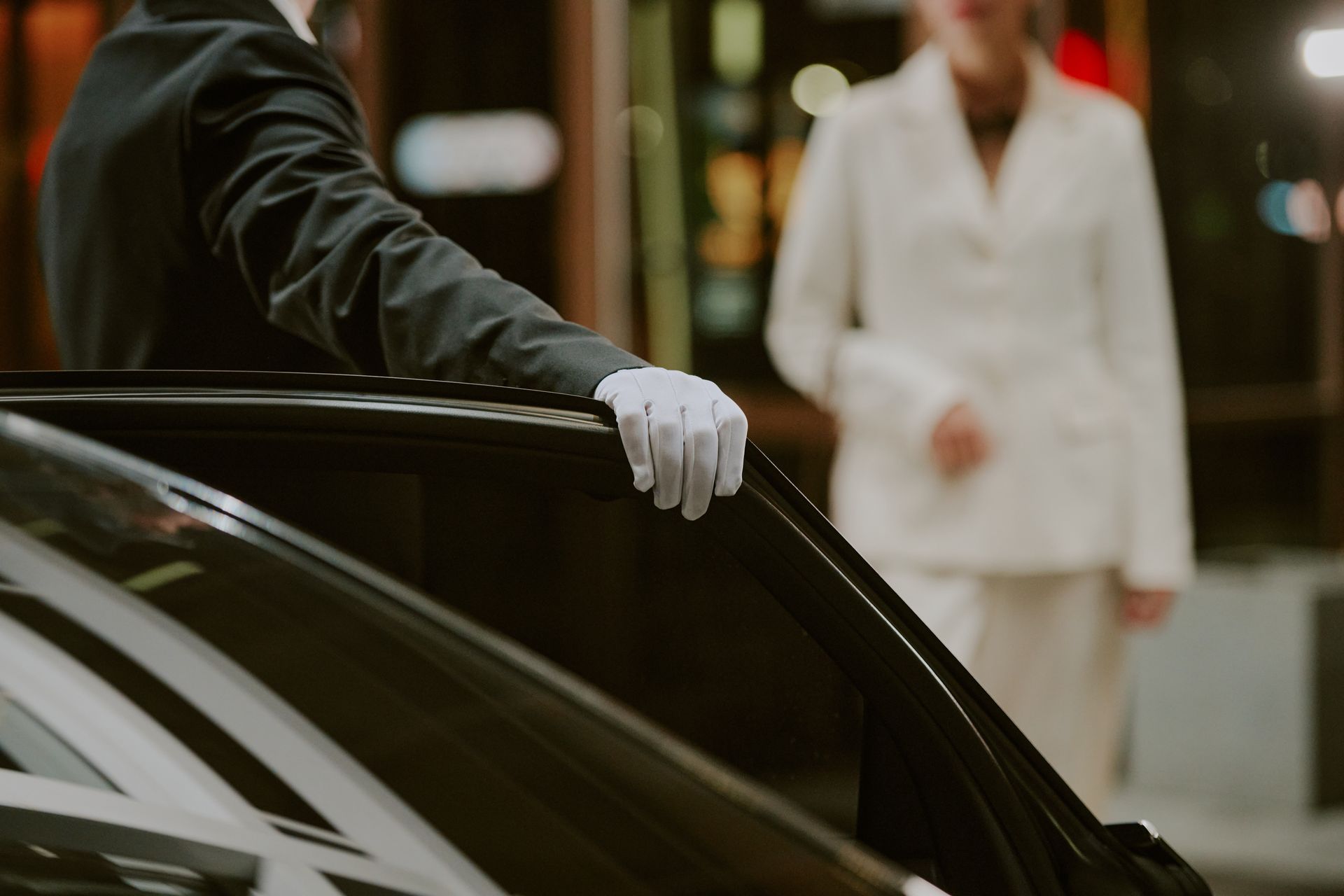
Most travel delays after a private flight are not caused by the aircraft. They come from misaligned curb timing, wrong FBO entrances, traffic surprises, and communication gaps between cabin and car. Aviation-tailored chauffeur services attack those failure points before the passenger feels them.
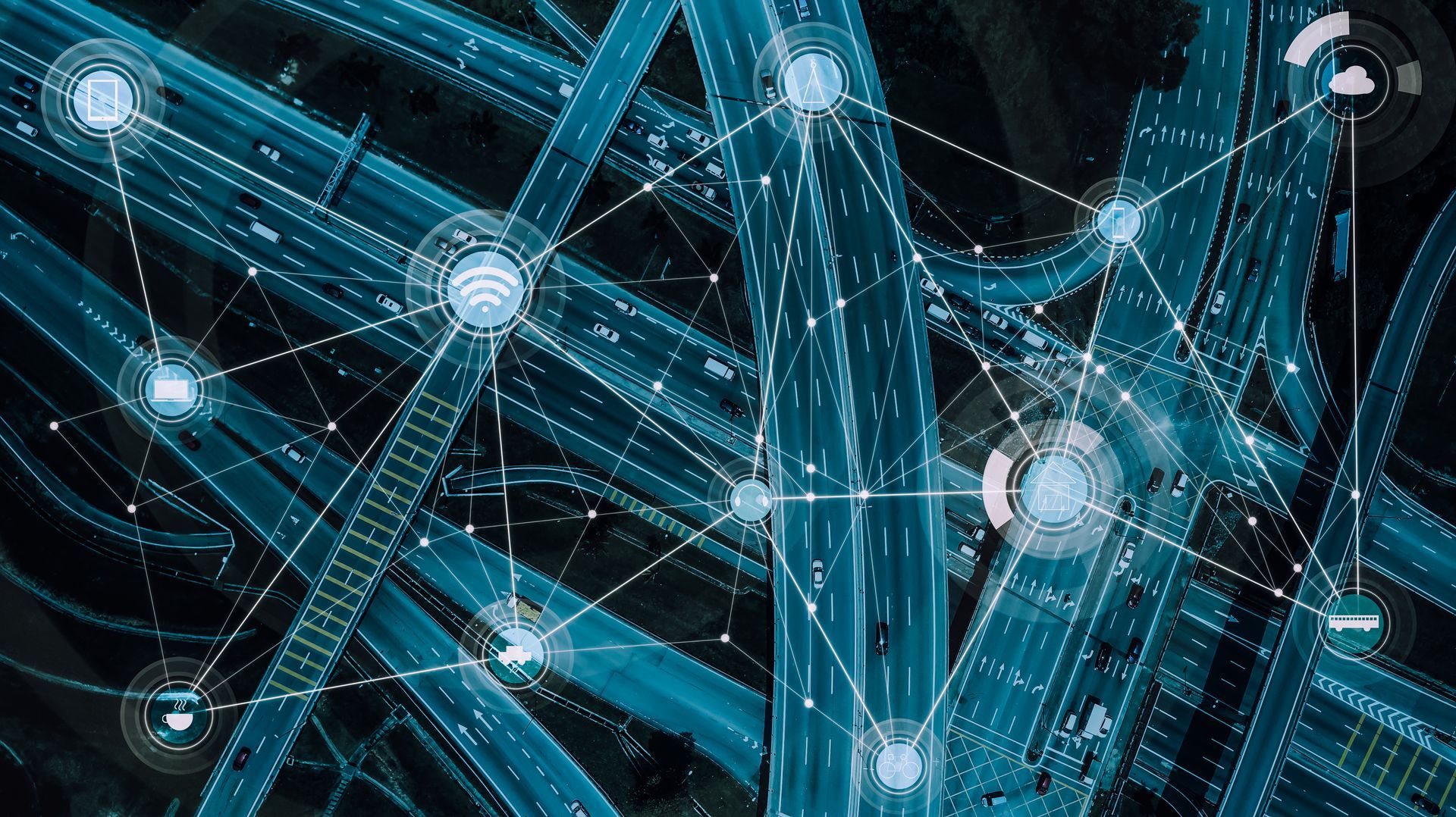
The first lever is predictive staging. Instead of parking at the FBO two hours early or racing across town after a text, dispatch uses flight tracking and historical TEB, VNY, or OPF patterns to position the vehicle in a holding zone, then commits when the aircraft is on short final or taxiing in. That reduces both curb congestion and "where's my car" moments.
The second lever is information quality. Chauffeur services that ask for tail number, FBO name, passenger count, and luggage notes can choose the right vehicle and avoid last-minute swaps. A three-SUV luggage load does not fit in a sedan reserved by habit. Getting that right once prevents a twenty-minute reload delay on the busiest part of the clock.
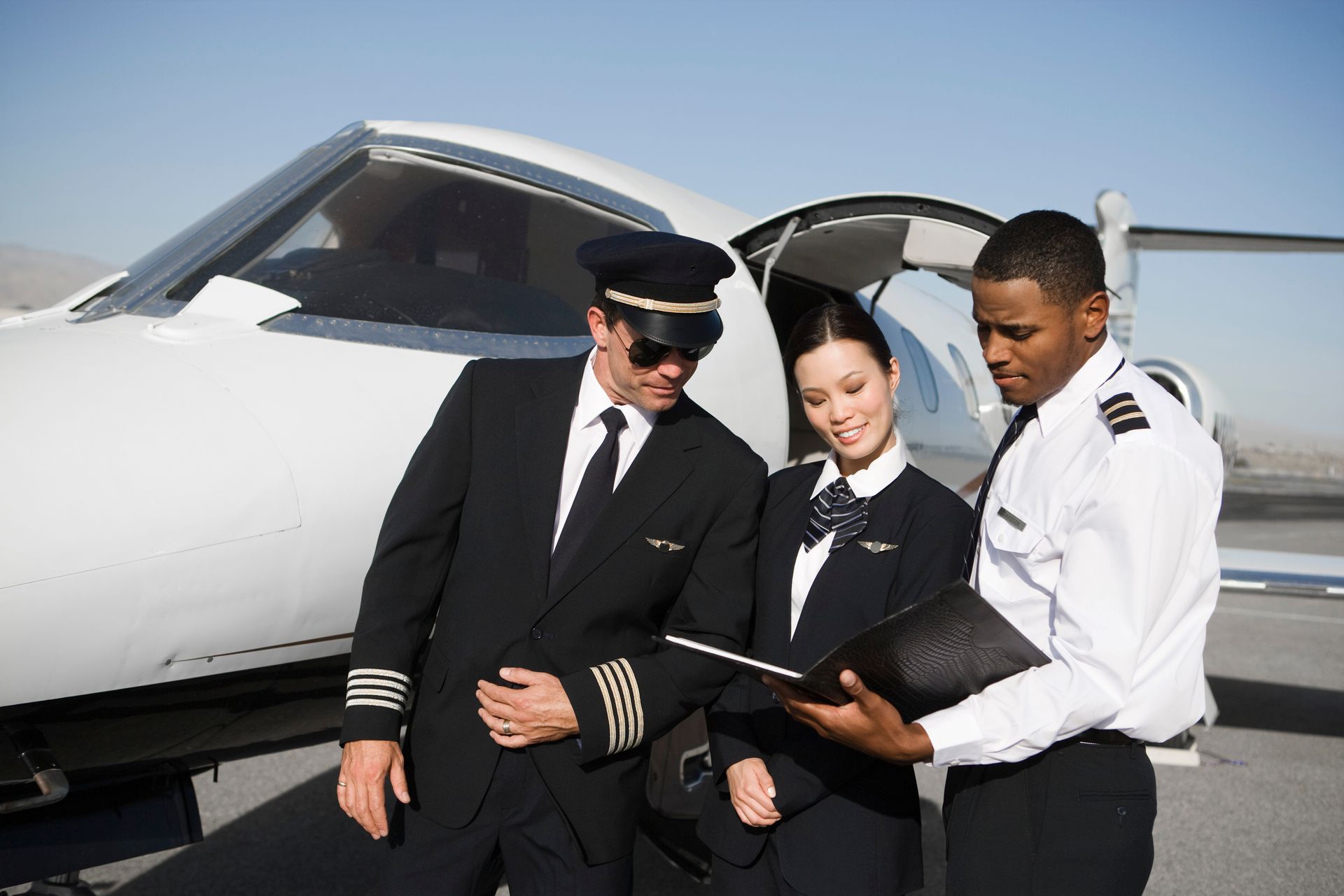
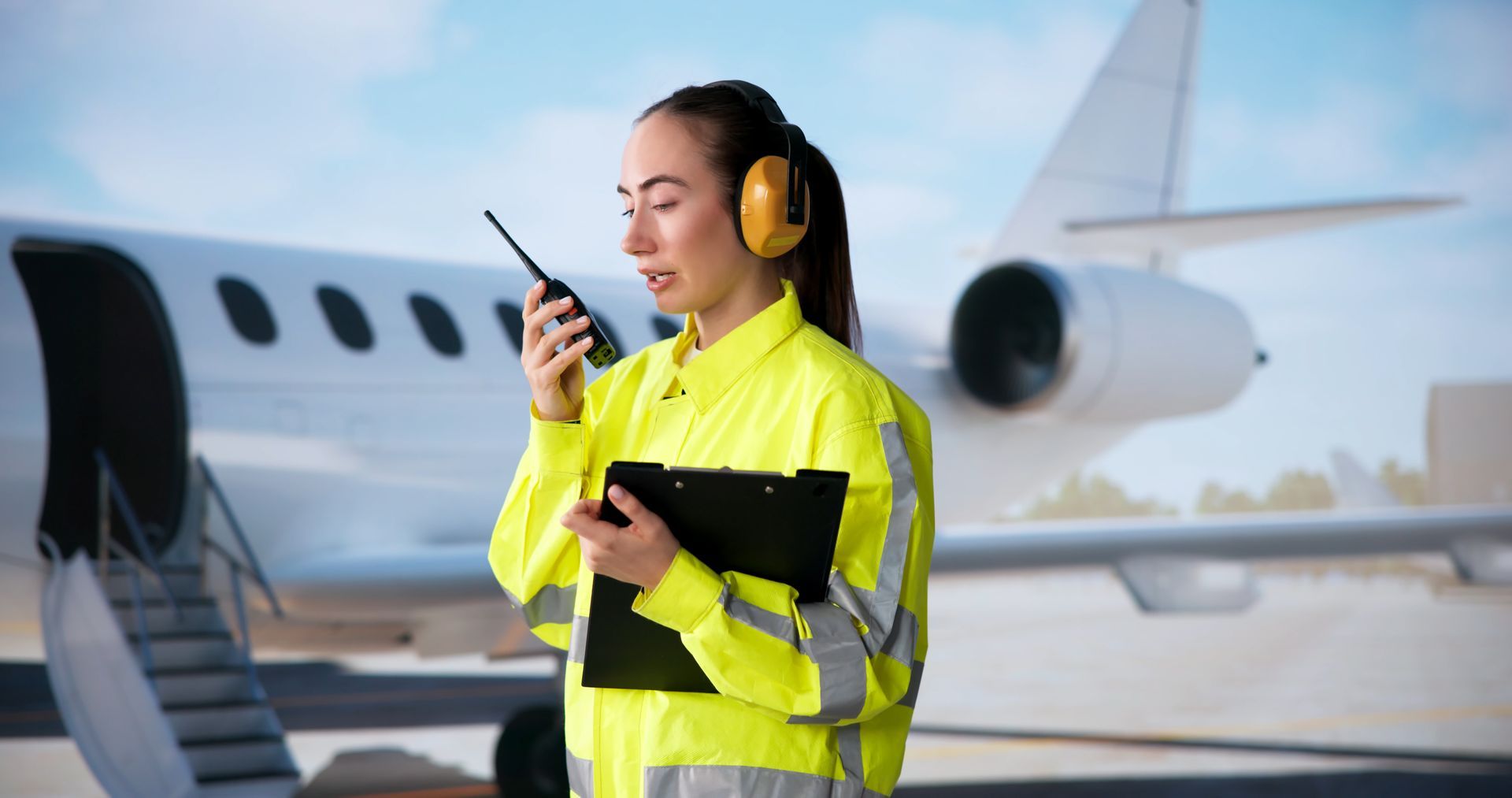
The third lever is crew-to-ground communication. When flight attendants or scheduling apps pass updated ETAs, tailored chauffeur services update the driver in real time. The passenger should not be the relay. That single change, removing the principal from the middle, cuts cascade delays into hotel check-ins, dinner reservations, and connecting cars.
Unique II Worldwide designs chauffeur services around these aviation realities: career drivers, continuous ops, and itineraries that flex when ATC or weather flexes. Delays cannot always be eliminated, but the ground leg should never be the reason the day slips.