
How Private Jet Transfer Services Work Behind the Scenes
A private jet transfer looks effortless when the car waits at the right door as the stairs drop. Behind that moment sits a chain of handoffs between flight departments, FBO staff, and ground dispatch that commercial airport pickups rarely require.
It usually starts with a trip sheet: aircraft type, tail number, departure and arrival FBOs, passenger count, luggage notes, and whether the principal wants curb greeting or lounge meet. Dispatch then mirrors the flight plan. As the jet files and becomes airborne, live flight-tracking tools update the estimated arrival. A private jet transfer is timed to block-in plus the minutes needed for parking, shutdown, and passenger egress, not to a published airline gate.
On the FBO side, line service may reposition the aircraft after landing. That can move the passenger exit from one door to another. Experienced transfer teams stay in contact with the FBO or the trip coordinator so the chauffeur relocates before anyone walks into empty air. For international arrivals, customs and immigration at the FBO can add variable dwell time; the car must remain flexible without blocking ramp traffic.
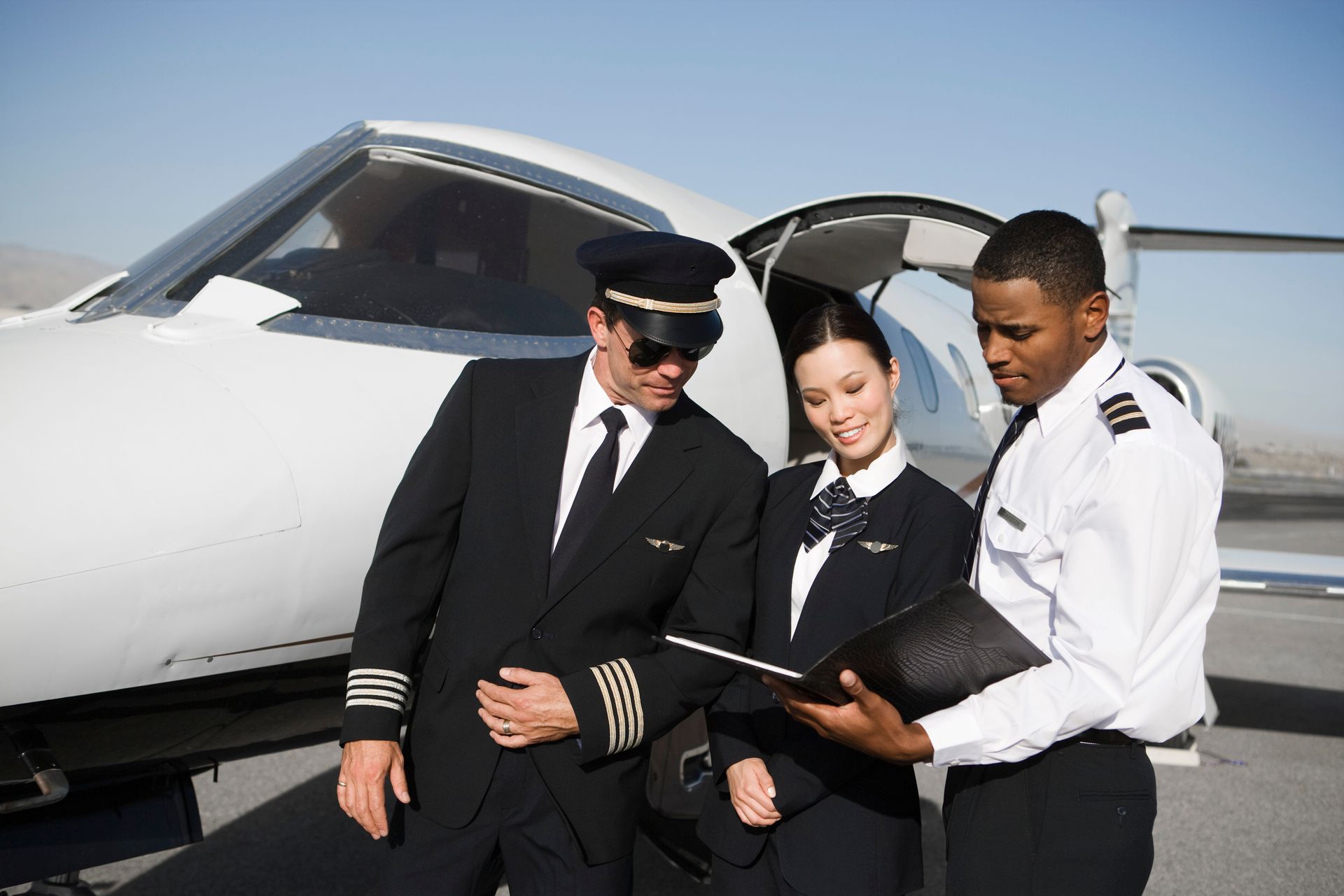
Crew and passenger logistics often diverge. Pilots may need a separate hotel run or a quick turn for the next leg while owners go downtown. A well-run private jet transfer accounts for split manifests, child seats, security preferences, and whether the chauffeur may approach the aircraft or must remain at the designated landside curb.
Unique II Worldwide's career chauffeurs and newer-model fleet support these handoffs with continuous dispatch coverage. When the flight moves, the private jet transfer moves with it quietly, on time, and without asking the traveler to manage the radio.