
Inside the World of Corporate Aircraft Ground Support
Strengthen your next trip with aircraft ground support that speaks your flight department's language.
Corporate flight departments measure success in schedule integrity and passenger readiness. Aircraft ground support is the umbrella for everything that happens once the jet is on the ground: fueling, catering, deicing, hangar moves, lavatory service, and the passenger cars that complete the mission. Transportation providers who ignore that ecosystem create friction that the flight department then has to absorb.
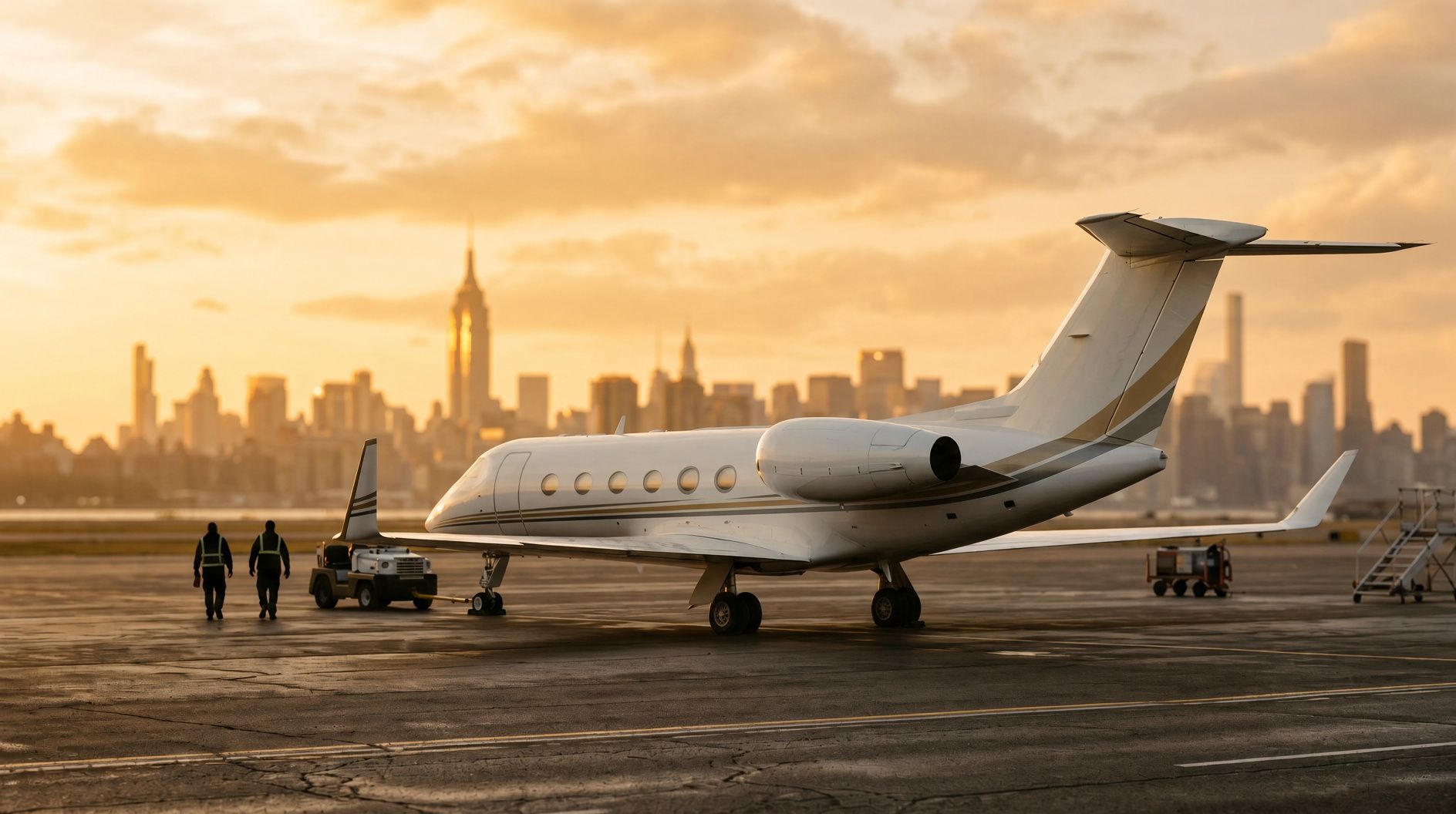
Ground support is sequenced. Line service may need the aircraft clear of the fuel truck before passengers deplane on the preferred side. Catering carts and maintenance tugs share lanes with sedans and SUVs. A chauffeur who understands aircraft ground support does not treat the apron like a hotel driveway; they wait for clearance, follow FBO hand signals or radio instructions when required, and keep the vehicle out of service corridors
Tail-number awareness again matters. Corporate aircraft often operate under Part 91 or Part 135 with different operational cultures, but both expect the ground team to know the ship. When a trip is amended mid-flight (extra passenger, different FBO, short turn), the transportation vendor is part of aircraft ground support whether they use that phrase or not. Failure to adapt shows up as a late car and a delayed hotel check-in or board meeting.
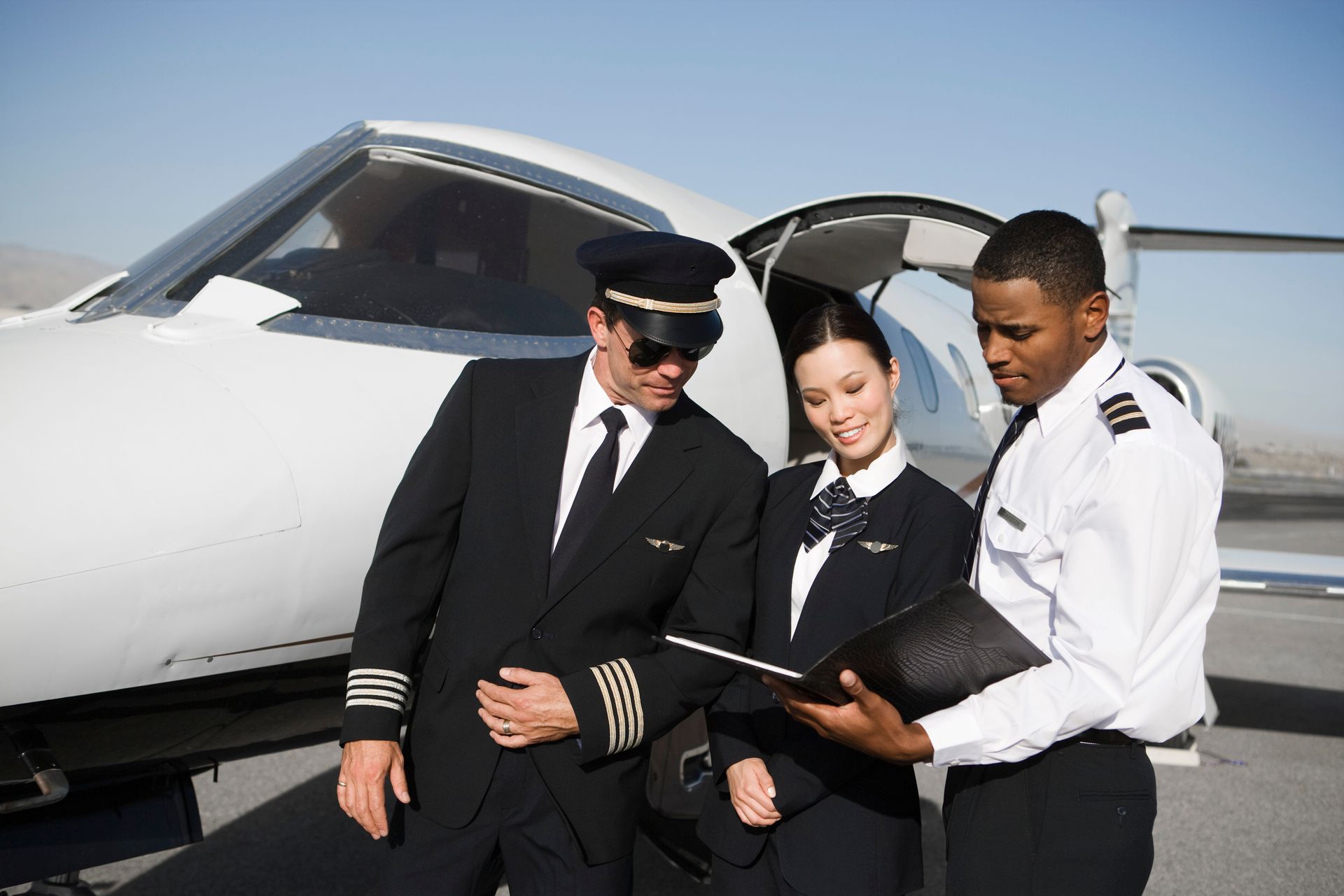
Duty of care extends to crew. Pilots and cabin crew have rest rules and hotel windows that are as time-critical as owner schedules. Splitting crew and passenger movements, staging quiet vehicles for late-night arrivals, and confirming hotel docks are part of professional aircraft ground support, not optional extras.
Unique II Worldwide partners with corporate aviation programs by aligning chauffeur timing with flight ops realities across 1,200+ cities. The result is aircraft ground support that feels invisible because the ground side simply works.